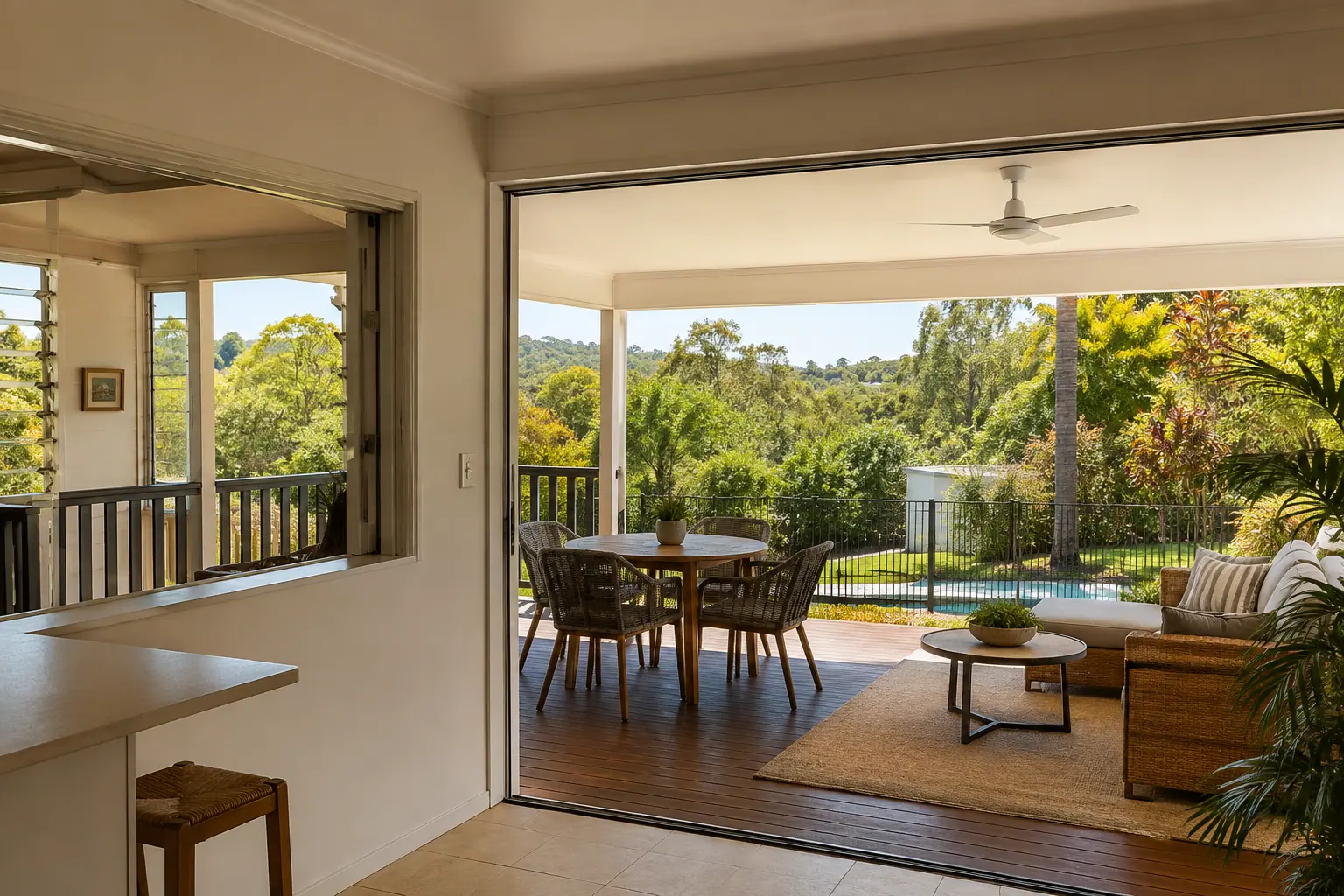
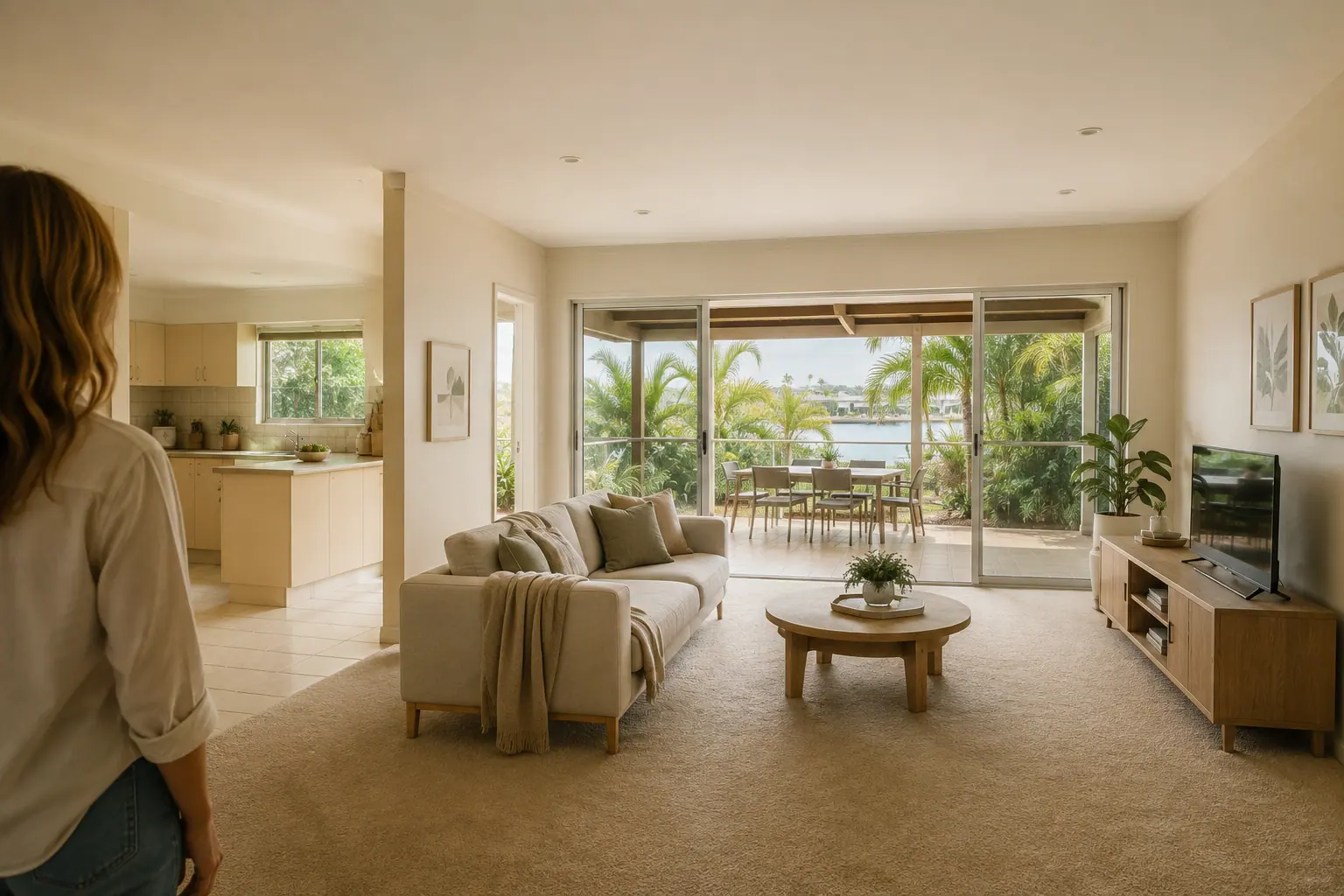
Homeowner standing in an open-plan living area looking towards the kitchen and outdoor deck

Renovation Planning · 6 min read

Before You Ask for Renovation Quotes: 7 Decisions to Make First

3 August 2026

Renovation quotes are most useful when you already know what you are trying to achieve.

It is tempting to begin a renovation by calling a builder, booking a designer or asking trades for prices. But without a clear strategy, you may receive quotes for work that does not solve the right problem, or discover too late that your priorities, budget and plans do not align.

Before you start comparing prices, make these seven decisions.

01

Decide what success looks like

Start with the outcome, not the rooms.

Are you renovating to:

  • make daily family life work better?
  • create more space without moving?
  • prepare the property for sale?
  • improve its long-term value?
  • update a home you have recently purchased?

A renovation designed for your family may be very different from one intended to maximise buyer appeal. The clearer the outcome, the easier every later decision becomes.
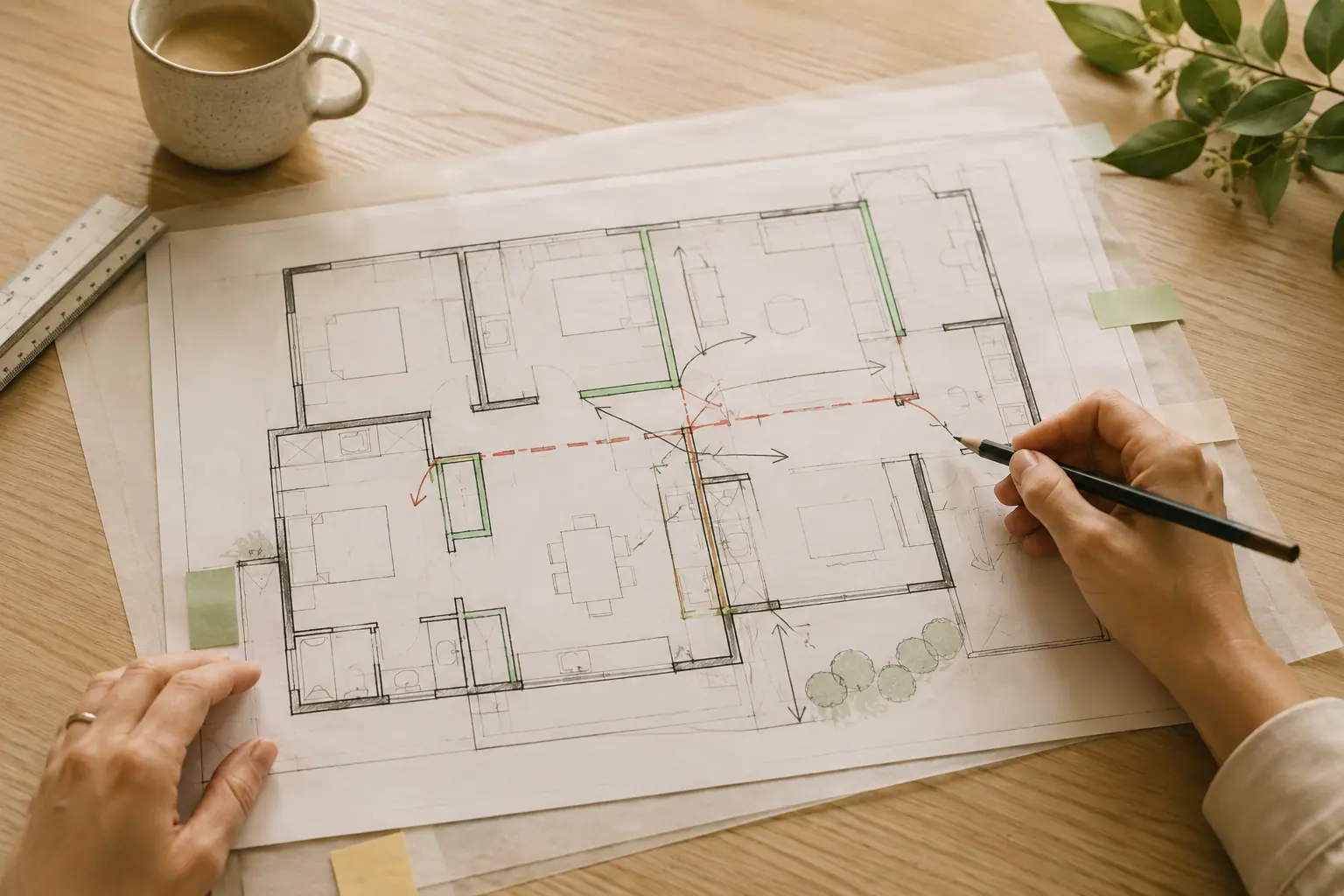
Annotated floor plan on a timber desk with walls marked for change

02

Identify the problems that genuinely need solving

A dated room is not always the biggest issue.

The real problem might be:

  • poor connection between the kitchen and outdoor area
  • nowhere to store school bags, shoes or everyday clutter
  • bedrooms that lack privacy
  • an awkward entry
  • rooms that are rarely used
  • too much heat, glare or afternoon sun
  • a floor plan that no longer suits the household

Before choosing finishes, look closely at how the home currently works, and where it causes frustration.

Good renovation decisions begin with understanding the problem, not choosing the product.

03

Agree on your priorities

Most renovation budgets cannot deliver everything at once.

Write down the changes that matter most, then separate them into:

  • Must have: changes the renovation needs to achieve.
  • Should have: important improvements that add function or value.
  • Could have: ideas worth considering if the budget allows.

This gives builders and designers a much clearer brief. It also helps protect the important parts of the project when costs need to be adjusted.

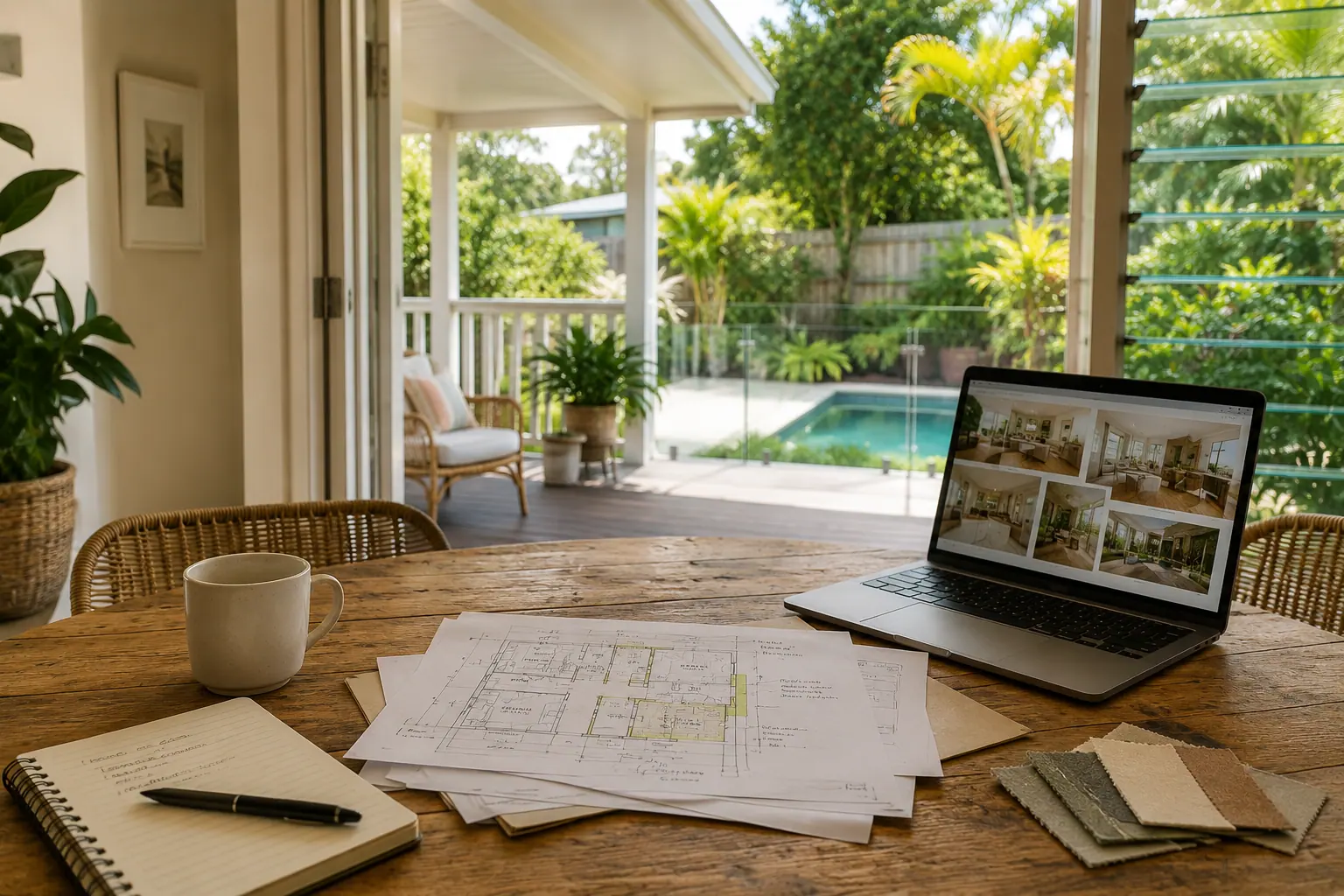
Floor plans, notebook, laptop and material samples on a dining table overlooking a pool

04

Set a realistic total investment range

Your renovation budget needs to cover more than the building quote.

Depending on the project, the total investment may also include:

  • design and documentation
  • engineering or certification
  • council approvals
  • temporary accommodation
  • storage or moving costs
  • landscaping
  • furniture, window coverings and appliances
  • unexpected repairs
  • a contingency allowance

You do not need an exact figure before seeking advice, but you do need an honest range. A clear budget helps determine whether the best solution is a major renovation, a staged approach or a more targeted improvement.

05

Understand who the home needs to work for

Consider both the people living in the home now and how their needs may change.

Ask:

  • Will children need more independence or privacy?
  • Are you likely to work from home more often?
  • Do grandparents or guests stay regularly?
  • Will accessibility matter in the future?
  • Is this a five-year home or a long-term home?
  • Would a future buyer value the same changes?

This does not mean designing for every possible scenario. It means avoiding decisions that solve today's needs while creating another problem a few years later.

Kitchen opening onto a covered deck with dining and lounge seating and hinterland views

06

Decide what should stay

Renovation planning often focuses on what needs to change. Just as important is identifying what already works.

Consider retaining:

  • well-positioned rooms
  • valuable structural elements
  • good-quality flooring or cabinetry
  • established gardens
  • natural light
  • original character
  • areas that can be improved rather than replaced

Keeping the right elements can protect the home's character, reduce waste and direct more of the budget towards changes that make a meaningful difference.

07

Create one clear brief

Before approaching builders or designers, bring your decisions together in a short project brief.

Include:

  • why you are renovating
  • the problems to solve
  • your highest priorities
  • your estimated investment range
  • what must remain
  • your preferred timing
  • any known constraints
  • inspiration that reflects how you want the home to feel

A clear brief allows professionals to respond to the same project. Without it, each person may make different assumptions, making quotes difficult to compare.

Why strategy should come before quotes

A quote tells you what a particular scope of work may cost.

It does not tell you whether that scope is the smartest use of your money.

Taking the time to define the right renovation strategy first can help you:

  • avoid quoting work that later changes
  • reduce conflicting advice
  • compare options more clearly
  • identify opportunities you may have missed
  • stage the project logically
  • make decisions with greater confidence

Strategy before you spend

Not sure what your renovation should include, or where to begin?

Before You Renovate helps Sunshine Coast homeowners clarify their priorities, assess the opportunities within their property and create a practical direction before engaging designers, builders and trades.

Book a Property Strategy Session