
A partly renovated Sunshine Coast home being assessed room by room

Renovation Planning · 6 min read

How to Prioritise a Renovation: What to Do When Everything Feels Urgent

3 August 2026

A leaking shower needs attention. The kitchen does not work. Storage is overflowing. The outdoor area is underused, and the home becomes unbearably hot every afternoon.

When several parts of a property need improvement, everything can start to feel equally urgent. The risk is spending money reactively, fixing one area at a time without understanding how each decision affects the rest of the home.

A clear renovation strategy can help you determine what needs to happen first, what can wait and where your budget will make the greatest difference.

01

Separate urgent repairs from planned improvements

Begin by dividing the work into two categories.

Immediate repairs protect the property or the people living in it:

  • active leaks
  • water damage
  • unsafe electrical work
  • structural movement
  • failed waterproofing
  • damaged roofing
  • serious drainage problems
  • unsafe stairs, decks or balustrades

Planned improvements change how the home functions, feels or presents: updating the kitchen, improving storage, opening living spaces, adding a bedroom, redesigning the outdoor area, improving the entry and renovating bathrooms.

Urgent repairs may need immediate action, but they should still be considered within the broader plan wherever possible.
Exterior of a Sunshine Coast home showing areas needing maintenance

02

Identify decisions that affect the whole home

Some renovation decisions influence multiple rooms or stages.

Before renovating one area, consider whether you may later change:

  • the floor plan
  • plumbing locations
  • electrical capacity
  • windows and doors
  • flooring
  • ceilings
  • air conditioning
  • external access
  • the connection to outdoor areas

For example, renovating a kitchen before deciding whether an adjoining wall should move could result in expensive rework.

The first priority is not always the room in the worst condition. It may be the decision that affects everything else.

The first priority is not always the room in the worst condition. It may be the decision that affects everything else.

03

Prioritise function before finishes

A home can look updated and still be frustrating to live in.

Before selecting cabinetry colours, tiles or tapware, consider:

  • circulation
  • room proportions
  • storage
  • natural light
  • privacy
  • ventilation
  • furniture placement
  • indoor-outdoor connection
  • access and usability

For Sunshine Coast homes, practical improvements to airflow, shade and outdoor connection can create more everyday value than purely cosmetic changes.

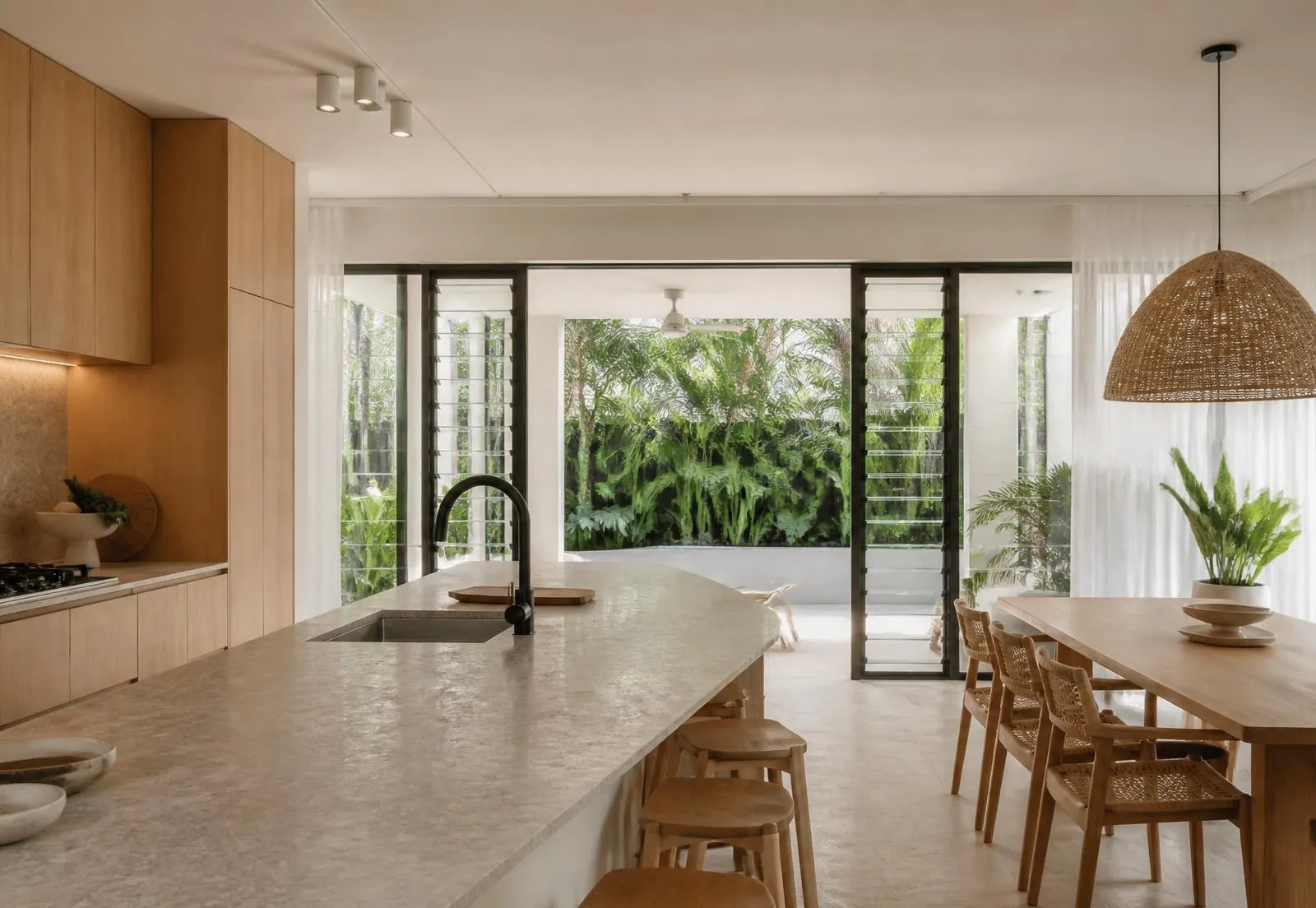
A light-filled living area planned around function rather than finishes

04

Consider the cost of doing things in the wrong order

Poor sequencing quietly adds cost.

It can lead to:

  • new flooring being damaged by later building work
  • painted walls being reopened for electrical changes
  • renovated bathrooms being affected by plumbing upgrades
  • completed landscaping being removed for machinery access
  • cabinetry being designed around a floor plan that later changes

A coordinated plan helps each stage prepare for the next.

05

Rank each project

For every proposed improvement, ask four questions.

Work through each item on your list:

  • Does it protect the property or address a safety issue?
  • Will it significantly improve everyday function?
  • Does it need to happen before another project?
  • Does it support the long-term vision for the home?

The work answering yes most often should generally move higher on the priority list.

06

Create three levels of priority

Group the work so the foundations are resolved first.

A simple structure that suits most homes:

  • Priority one, protect and prepare: essential repairs, investigations, approvals and decisions that affect the whole property.
  • Priority two, improve function: the floor plan, storage, ventilation, lighting and essential room upgrades.
  • Priority three, complete and enhance: lower-priority improvements, decoration, styling and landscaping.

This does not mean the final category is unimportant. It ensures the foundations of the project are resolved before money is committed to finishing details.

Create a plan before choosing a room

When everything feels urgent, homeowners often begin with the easiest room to visualise or the first available trade.

Before You Renovate helps Sunshine Coast homeowners turn a long, overwhelming project list into a practical order of priorities. A Property Strategy Session can help identify:

  • what is genuinely urgent
  • which decisions affect multiple areas
  • where money may be wasted
  • what can wait
  • how the work should be sequenced
  • which improvements will have the greatest impact

Strategy before you spend

Turn a long list of problems into a clear order of work.

A Property Strategy Session helps you understand what needs to happen first, what can wait and where your budget will make the greatest difference.

Book a Property Strategy Session